
Exploring Internationally Operating Casinos A Global Perspective

In the vast world of gambling, international casinos have carved a niche that attracts millions of players every year. These establishments, operating across borders, provide a unique blend of entertainment, luxury, and the thrill of chance. For more information about gaming initiatives and resources, visit casinos operating internationally https://shellstep.org.uk/. This article will delve into the characteristics, regulations, and trends of internationally operating casinos.
The Rise of International Casinos
International casinos have seen a substantial rise in popularity, driven by globalization, the internet, and changing social attitudes towards gambling. With advancements in technology, players can now enjoy their favorite games from anywhere in the world, leading to a blossoming online casino sector that complements physical establishments. These casinos create not only a gambling environment but also an experiential space for visitors, offering entertainment options ranging from shows and fine dining to shopping and luxury accommodations.
Regulations Governing International Casinos
One of the defining features of internationally operated casinos is the complex web of regulations that govern them. Each country has its own set of laws pertaining to gambling, affecting how casinos operate, what games they can offer, and how they can interact with players. For example, in the United States, the legalization of sports betting has led to a rapid expansion of casinos, while in countries like Singapore, strict regulations ensure that casinos remain exclusive and high-end.
To operate legally in multiple jurisdictions, casinos often seek licenses from different regulatory bodies. This process ensures that casinos adhere to international standards of fairness, security, and responsible gambling. Moreover, a casino licensed in one country may cater to players from another, adding layers to the responsibilities of regulatory compliance across borders.
Popular International Casino Destinations
When discussing international casinos, several locations frequently come to mind. Places like Las Vegas, Macau, Monaco, and Singapore are famous for their luxurious resorts and thriving gaming cultures. Las Vegas, often referred to as the “Gambling Capital of the World,” boasts a plethora of casinos offering everything from slot machines to poker rooms. Meanwhile, Macau has gained the title of the world’s largest gambling center, outpacing Las Vegas in terms of revenue.
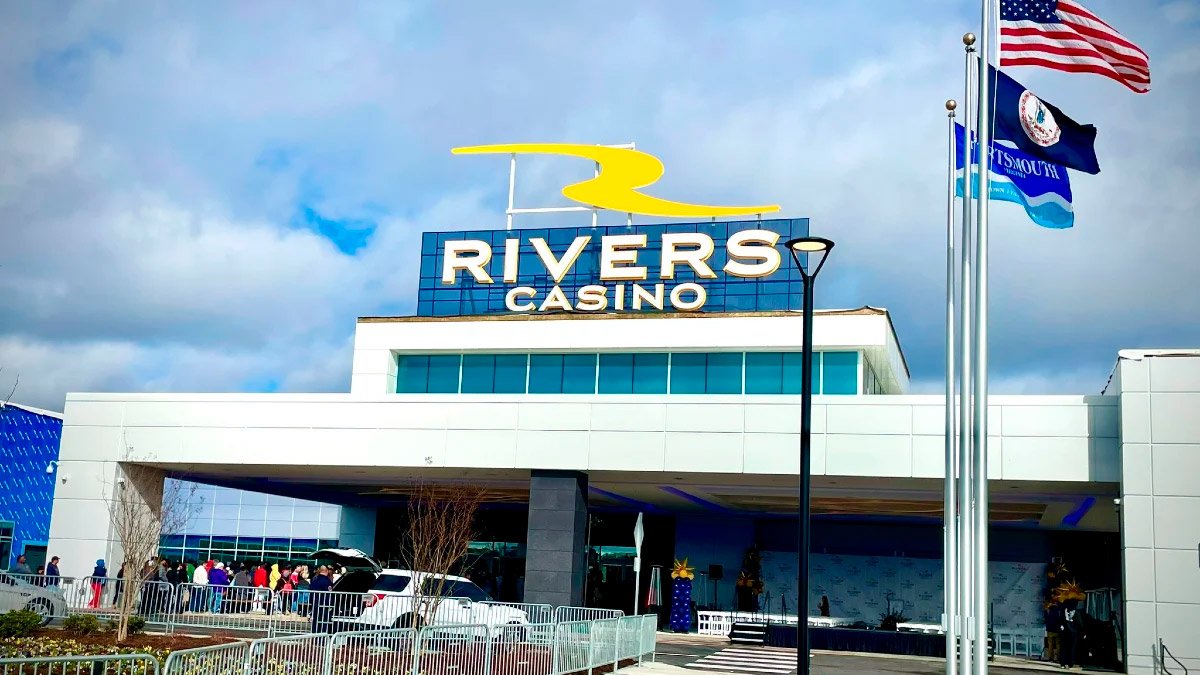
Monaco’s Casino de Monte-Carlo is synonymous with glamour and exclusivity, attracting high rollers from around the globe. Singapore’s Marina Bay Sands offers not just a casino but a complete entertainment experience with stunning architecture and lavish amenities, drawing tourists mainly from Asia. Each of these destinations employs unique marketing strategies to attract visitors, highlighting their distinct offerings to stand out in the competitive international market.
Online Casinos and Their Impact on Traditional Operators
The advent of online casinos has revolutionized the gaming industry, allowing players to access a wide range of games from their desktop or mobile devices. This shift has not only expanded the reach of gambling but has also changed player expectations. Many online platforms boast hundreds of games, including live dealer experiences, which attract users looking for convenience without sacrificing the social elements of gambling.
As a result, traditional casinos have had to adapt. Many have developed their own online platforms to compete in this new landscape, creating omni-channel experiences for customers. The integration of technology in casinos, such as cashless transactions and virtual reality gaming, enhances player engagement and appeals to a broader audience, particularly younger generations who are more comfortable in digital environments.
Challenges Facing Internationally Operating Casinos
Despite their lucrative potential, international casinos face a myriad of challenges. Regulatory hurdles, tax obligations, and the need for compliance can be daunting. Additionally, changing gambling laws in various jurisdictions can impact operations significantly. For instance, tighter regulations on advertising and promotions may limit how casinos attract new customers.
Furthermore, the rise of social and economic responsibility movements has put pressure on casinos to promote responsible gambling practices. International casinos must strike a balance between maximizing profit and ensuring they do not contribute to gambling addiction or other societal harms. This situation has led many casinos to invest in player welfare programs and responsible gaming initiatives.
The Future of International Casinos
The future of internationally operating casinos appears promising yet challenging. The ongoing integration of technology will only deepen, with innovations in artificial intelligence and blockchain potentially transforming the sector. AI can enhance customer service, while blockchain may increase transparency in gambling transactions.
Moreover, the concept of immersive experiences will likely take center stage, with casinos investing in entertainment beyond traditional gaming. Collaborations with renowned artists, pop culture events, and eco-friendly practices are gaining traction as casinos vie for a competitive edge in attracting a diverse clientele. Sustainable practices will also play a critical role, as more consumers demand corporate responsibility from their favorite establishments.
Conclusion
Internationally operating casinos represent a dynamic and evolving facet of the gambling industry. As they navigate the complexities of regulations, embrace technological advancements, and adapt to shifting consumer preferences, the trajectory of this sector remains vibrant and exciting. Whether through traditional venues or online platforms, the allure of these casinos will continue to entice players worldwide.