Nauru Climate Resilience Fund Investment A Path to Sustainable Development
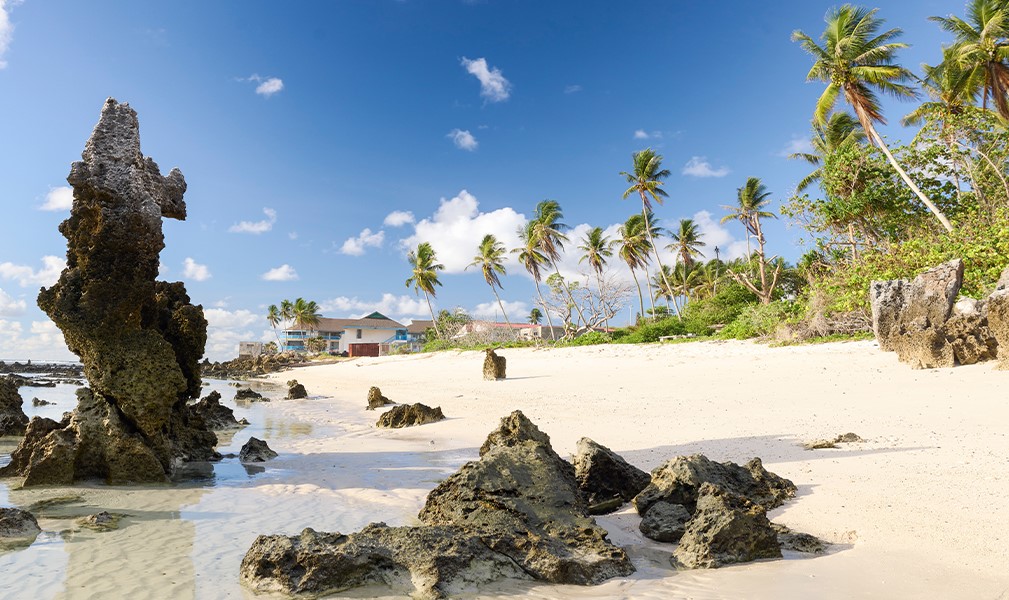
Nauru Climate Resilience Fund Investment: A Path to Sustainable Development
Nauru, a small island nation in the Pacific Ocean, is facing significant environmental challenges brought about by climate change, including rising sea levels, increasing temperatures, and extreme weather events. The Nauru Climate Resilience Fund Investment is a crucial initiative aimed at bolstering the nation’s capacity to adapt to these threats while promoting sustainable development and economic growth.
The Need for Climate Resilience in Nauru
The geographical positioning of Nauru makes it especially vulnerable to the impacts of climate change. With the island being only about 21 square kilometers, rising sea levels pose a direct threat to its shoreline and freshwater resources. Moreover, the economy, which primarily relies on phosphate mining and fishing, faces the risk of degradation due to environmental changes. Recognizing these challenges, the government of Nauru has initiated several programs to enhance climate resilience, with the Nauru Climate Resilience Fund (NCRF) at the forefront.
Overview of the Nauru Climate Resilience Fund
The Nauru Climate Resilience Fund was established to mobilize financial resources for projects and initiatives that promote environmental sustainability and climate change adaptation. The fund aims to attract domestic and international investments to support critical infrastructure development, disaster risk management, and ecosystem restoration. This strategic approach not only promotes environmental health but also seeks to improve the livelihoods of Nauru’s residents by creating jobs and enhancing food security.
Investment Strategies
The NCRF employs various investment strategies to achieve the desired outcomes. These include:
- Public-Private Partnerships: Collaborating with private sector entities enables the government to leverage additional resources and expertise. Investments in renewable energy, such as solar and wind, are prioritized to reduce dependence on fossil fuels.
- Community-Based Projects: Local communities play a crucial role in implementing climate adaptation initiatives. The fund supports community-led projects that focus on sustainable agriculture, reforestation, and resource management.
- Capacity Building: Investing in education and training ensures that the local workforce is equipped with the skills needed to manage and implement climate resilience projects effectively.
Case Studies and Successful Initiatives
Several successful initiatives have emerged from the Nauru Climate Resilience Fund, demonstrating its potential for positive impact:
1. Renewable Energy Projects
One of the significant investments has been in solar energy. Nauru has implemented solar farms that now power a substantial portion of the island, decreasing reliance on imported diesel. This move not only cuts carbon emissions but also reduces energy costs for residents.
2. Coastal Protection Initiatives
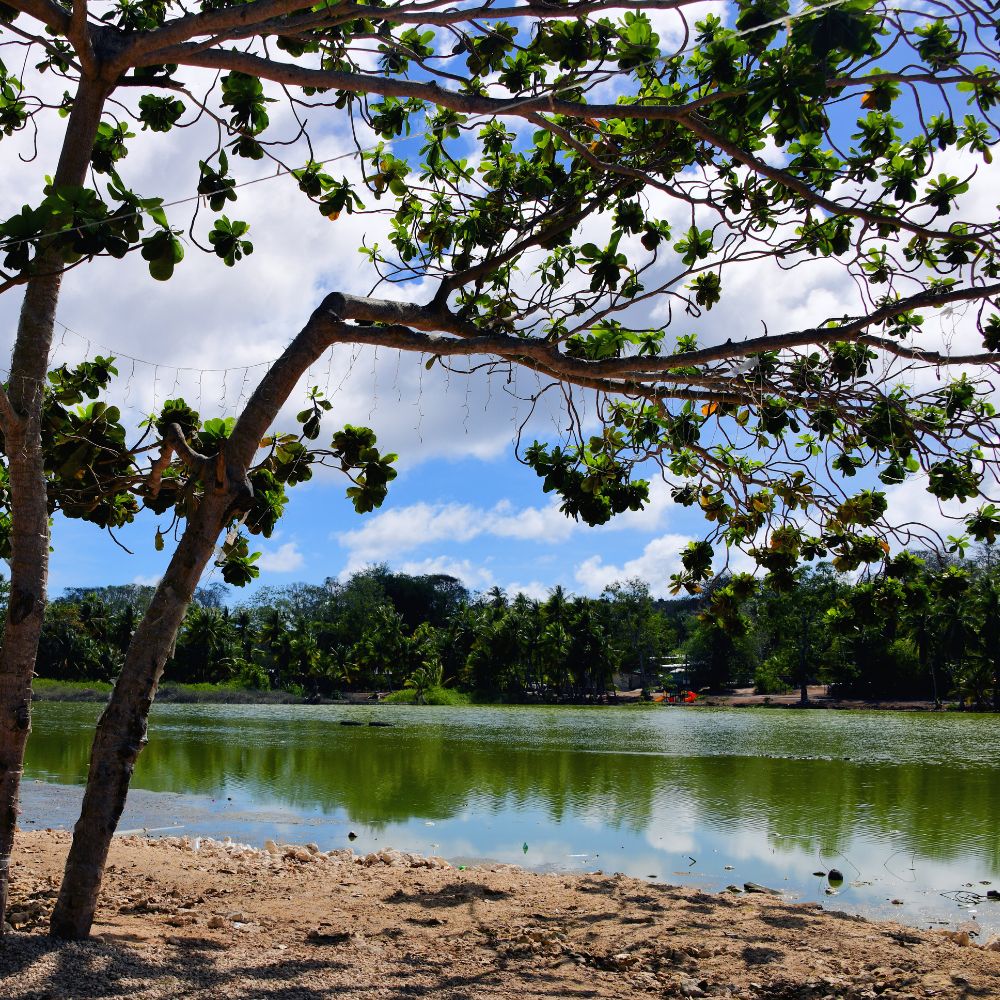
To combat rising sea levels, the fund has enabled the construction of sea walls and the restoration of mangrove ecosystems. These efforts help protect the coastline from erosion while providing habitats for marine biodiversity.
3. Sustainable Agriculture Programs
By promoting sustainable farming practices and providing training for local farmers, the NCRF has improved food security and resilience against climate impacts. These programs focus on crop diversification and the use of drought-resistant plant varieties.
Challenges and Opportunities
Despite the successes of the Nauru Climate Resilience Fund, challenges remain. Limited financial resources, a small population, and geographical isolation hinder the full implementation of projects. However, these challenges also present opportunities. By fostering regional partnerships and engaging with international donors, Nauru can enhance its resource base for climate resilience initiatives.
The Role of International Cooperation
International cooperation plays a critical role in the success of the Nauru Climate Resilience Fund. The government collaborates with various stakeholders, including non-governmental organizations, international agencies, and neighboring countries. These partnerships facilitate knowledge sharing, capacity building, and funding opportunities, vital for driving adaptation efforts.
Looking Ahead: The Future of Climate Resilience in Nauru
As climate change continues to pose significant threats, the Nauru Climate Resilience Fund will crucially shape the island’s future. The combination of strategic investments, community engagement, and international support can promote sustainable development while safeguarding Nauru’s delicate ecosystems. With a focus on resilience, Nauru can navigate its challenges and serve as a model for other small island nations grappling with the impacts of climate change.
Conclusion
The Nauru Climate Resilience Fund is a pivotal initiative that embodies the island nation’s vision for a sustainable and resilient future. By investing in climate adaptation and sustainable economic practices, Nauru is taking proactive steps to address the threats posed by climate change. Continued commitment to this cause, coupled with robust international support, will empower the nation to overcome its challenges and thrive in the face of adversity.