
Understanding House Edge in Plinko Game Calculation and Strategy

The Plinko game house edge calculation Plinko game has captivated audiences with its simplicity and excitement. This game, popularized by various casino platforms and still holding prominence in game shows, provides a unique blend of luck and strategy. Among the many factors that contribute to its appeal, understanding the house edge is crucial for players seeking to optimize their gameplay. In this article, we’ll explore the house edge of the Plinko game, how to calculate it, and strategies players can employ to improve their gaming experience.
What is House Edge?
House edge is a concept that quantifies the advantage a casino has over its players. It is expressed as a percentage and represents the average amount that the house expects to win from players over a long period. Understanding house edge is vital for gamblers as it influences their potential returns when engaging in games of chance.
Understanding the Plinko Game
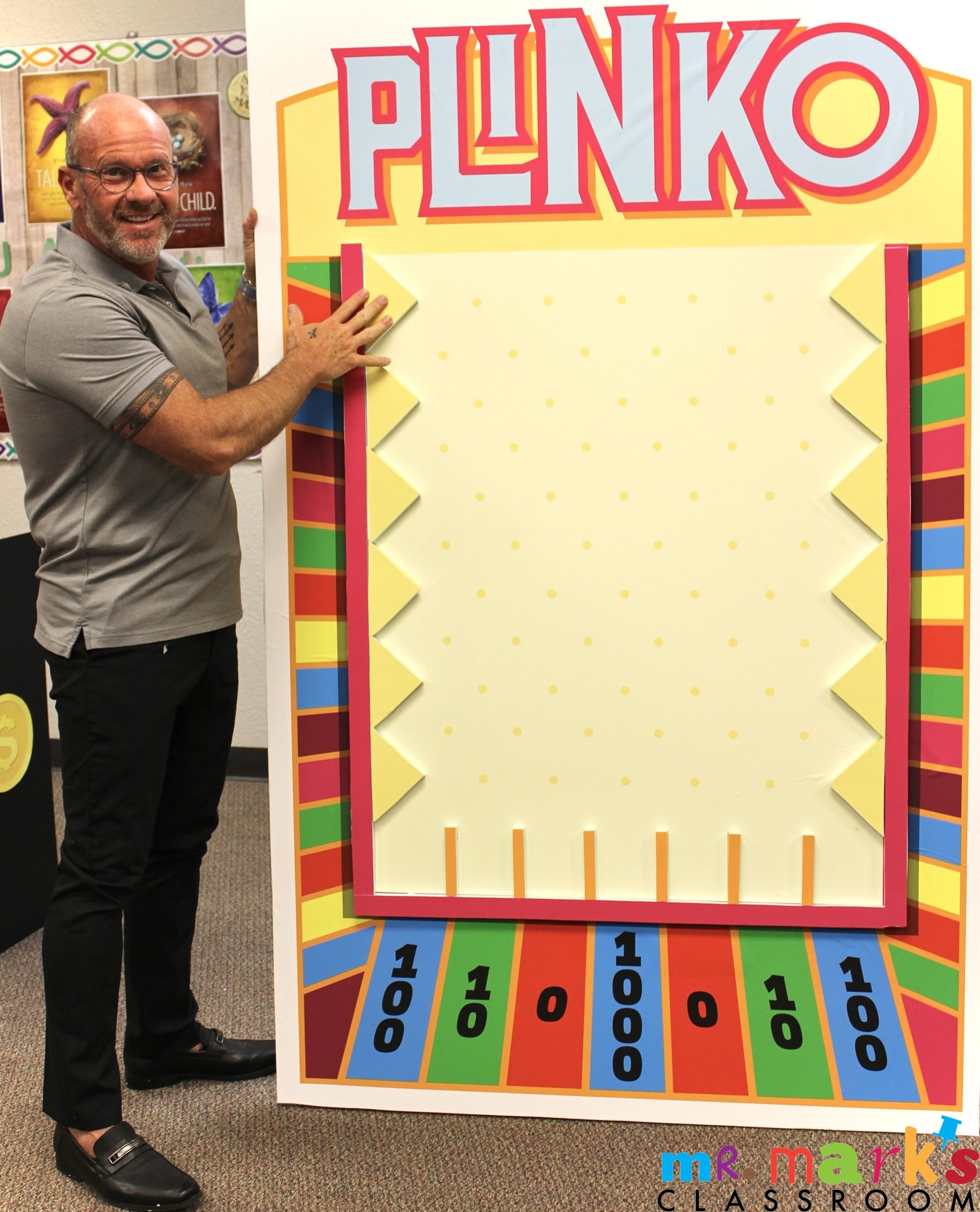
Plinko is a game of chance where players drop a disc from a height, and it navigates through a maze of pegs, ultimately landing in one of several slots at the bottom. Each slot typically has a different payout associated with it. While the game appears straightforward, the outcome is largely determined by the randomness of the disc’s path.
Calculating House Edge in Plinko
The house edge in Plinko can be calculated by analyzing the payouts versus the odds of winning on each slot. Here’s a step-by-step process to calculate the house edge:
Step 1: Identify Payouts
The first step in determining the house edge is to identify the payout amounts for each slot. For instance, if a player drops a disc and it lands in a slot that offers a payout of $10 for a $2 bet, the payout ratio is 5:1.
Step 2: Determine Probabilities
Next, you need to calculate the probability of landing in each slot. This can be complex due to the nature of the game, but you can estimate these probabilities based on the disc’s path and the layout of the pegs.
Step 3: Calculate Expected Values
For each slot, multiply the payout by the probability of landing in that slot. This gives you the expected value of winning for each scenario.
Step 4: Sum Expected Values
Add the expected values for all slots. This total gives you the overall expected return for a player over many games.
Step 5: Calculate House Edge
Finally, to calculate the house edge, subtract the expected return from 100%. For example, if the total expected return for players is 90%, then the house edge would be 10%.
Factors Influencing House Edge in Plinko
Several factors can influence the house edge in Plinko:
- Payout structure: Different casinos may have varying payout structures, which directly affect the house edge.
- Distribution of slots: The arrangement of slots and the path the disc can take can influence probabilities.
- Game variations: Some versions of Plinko may introduce new rules or payout options, affecting the house edge.
Strategies to Minimize House Edge
While the nature of the Plinko game makes it primarily a game of chance, there are some strategies players can employ to mitigate the house edge:
- Choose high payout slots: Focus on slots that offer better payout ratios but also consider the probabilities of landing in those slots.
- Bankroll management: Set a budget before playing and stick to it. This ensures that you can continue playing without excessive losses.
- Take advantage of bonuses: Use any casino bonuses or promotions effectively to extend your playing time.
Conclusion
Understanding the house edge in the Plinko game is essential for players looking to enhance their playing experience. By calculating the house edge, players can make informed decisions about their bets and potential winnings. While Plinko is primarily a game of chance, employing sound strategies can help in managing losses and maximizing enjoyment. Remember to always play responsibly and within your means, ensuring that the fun aspect of the game remains at the forefront of your experience.